
Most people guess how many yards of concrete they need and end up paying for too much or scrambling to order more. That guesswork wastes money and stalls projects. With our concrete calculator yards tool, you get a precise estimate so you only pay for what you pour. Keep reading to learn how to order the right amount every time and avoid costly mistakes on your next pour.
Estimating Concrete Yards Confidently
Knowing how much concrete you need saves money and time. Let’s explore how to estimate your concrete accurately.
Understanding Concrete Calculations
Concrete calculations can seem tricky at first, but breaking them down makes it easy. You start by measuring the dimensions of your project area. Multiply the length, width, and depth to find the cubic footage. For example, a patio that is 10 feet long, 5 feet wide, and 0.5 feet deep would be 25 cubic feet. Divide this number by 27 to convert it to cubic yards, which is about 0.93 cubic yards in this case. Always round up to ensure you have enough material.
Avoiding Over- and Under-Ordering
Over-ordering or under-ordering can lead to wasted materials or project delays. To avoid this, always double-check your measurements and calculations. If you’re unsure, use online resources like the Concrete Network’s calculator, or seek advice from professionals. Remember, it’s better to have slightly more than needed than to fall short and halt work.
Tools and Techniques for Accurate Estimates
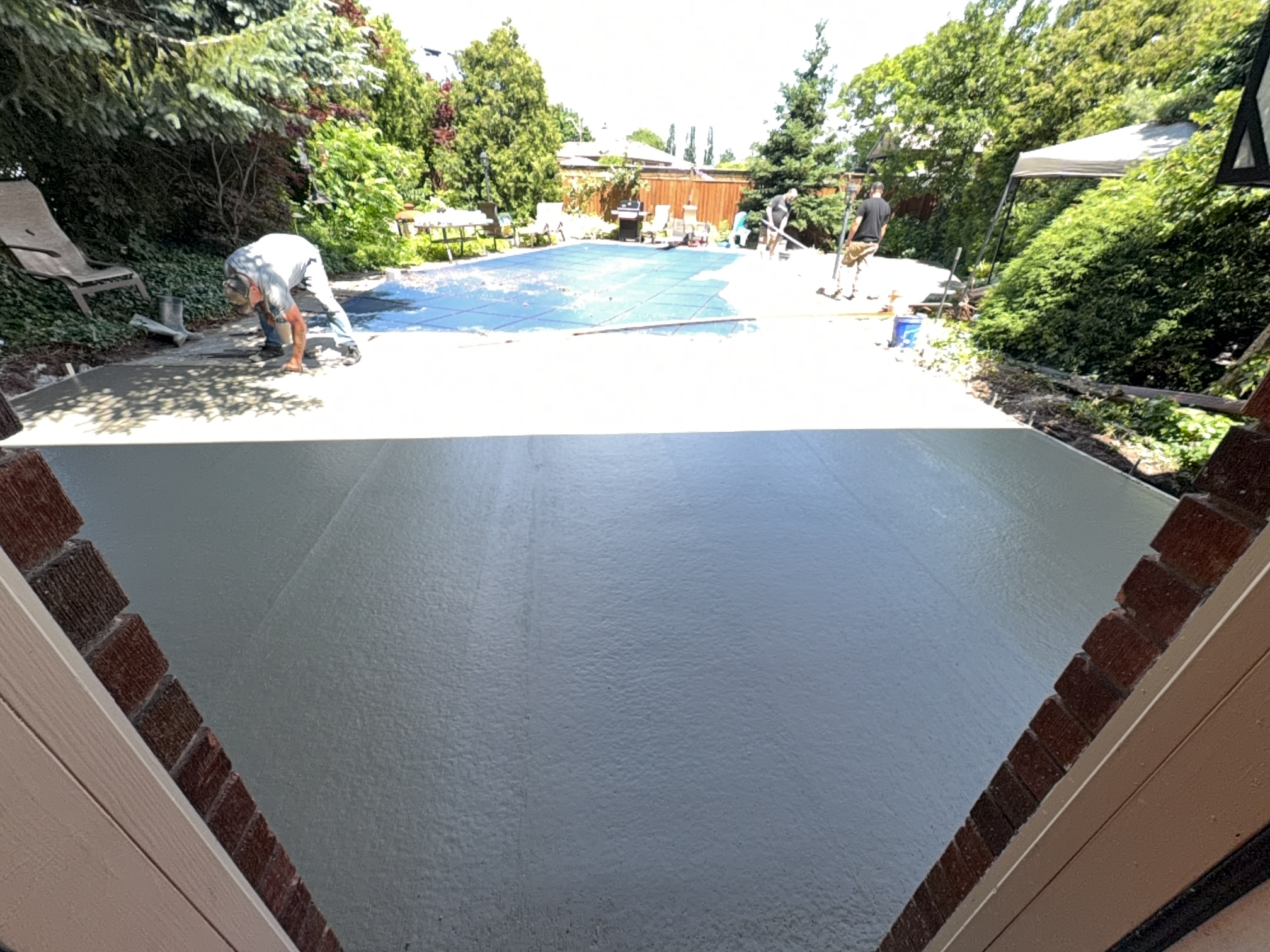
With the right tools, you can refine your estimates and reduce ordering errors significantly.
Using a Concrete Calculator
A concrete calculator is a valuable tool for getting precise estimates. Simply input your measurements, and it will compute the amount in cubic yards. This ensures you don’t rely on guesswork. These calculators often provide additional insights, such as the number of bags needed if you’re mixing manually, enhancing accuracy further.
Converting Measurements: Yards to Metres
Sometimes, projects require you to convert measurements. One cubic yard equals 0.76 cubic metres. For quick conversions, use online tools. For instance, if your project requires 5 cubic yards, that’s approximately 3.8 cubic metres. Understanding these conversions helps when working with different project specifications or contractors who use metric measurements.
Common Mistakes to Avoid
Common errors include mismeasuring depth or not accounting for irregular shapes. Always measure multiple points and average them for more accurate figures. Use precise tools like laser measures for better accuracy. Also, consider the slumping factor, especially if the concrete needs to flow into tight spaces.
Selecting the Right Concrete Mix

Choosing the right mix impacts the durability and look of your project.
Concrete Mix Options Explained
Different mixes suit different needs. For outdoor projects like driveways or patios, consider air-entrained concrete, which prevents cracking in freeze-thaw cycles. For projects needing added strength, fiber-reinforced mixes add durability. Discuss your needs with suppliers to select the best mix.
Choosing Fresh On-Site Mixed Concrete
Opting for fresh, on-site mixed concrete, like that from Veromix, ensures you get what you need without waste. On-site mixing provides flexibility to adjust quantities or mixes based on project requirements, saving you time and money compared to traditional ready-mix options.
Scheduling Your Concrete Delivery
Plan your delivery around your project schedule. Confirm timing with suppliers and ensure the site is prepared to avoid any delays. Reliable suppliers help in coordinating logistics, ensuring your project runs smoothly and on time.
Frequently Asked Questions
How do I calculate how many yards of concrete I need?
Measure the length, width, and depth of your project in feet. Multiply these to get cubic feet, then divide by 27 to convert to cubic yards.
Why is it better to mix concrete on-site?
On-site mixing offers flexibility in adjusting quantities and ensuring freshness, reducing waste and improving workability.
What are the benefits of using a concrete calculator?
A concrete calculator provides precise estimates, reducing the risk of over-ordering or under-ordering, saving time and money.
How do I convert cubic yards to cubic metres?
Multiply the number of cubic yards by 0.76 to convert to cubic metres.
What should I consider when scheduling concrete delivery?
Ensure the site is ready, confirm delivery times with the supplier, and plan for any potential changes in project scope.