
Concrete bags have long been the go-to for small pours, but they often lead to wasted material and extra work. On-site mixed concrete changes the game by letting you pour exactly what you need—no more, no less. Whether you’re working on a patio, driveway repair, or utility cut, choosing fresh concrete mixed on-site saves you time, labour, and money. Keep reading to find out when bagged concrete falls short and how volumetric concrete delivers smarter results. Read more on Facebook or join the discussion on Reddit.
Concrete Bags: Pros and Cons
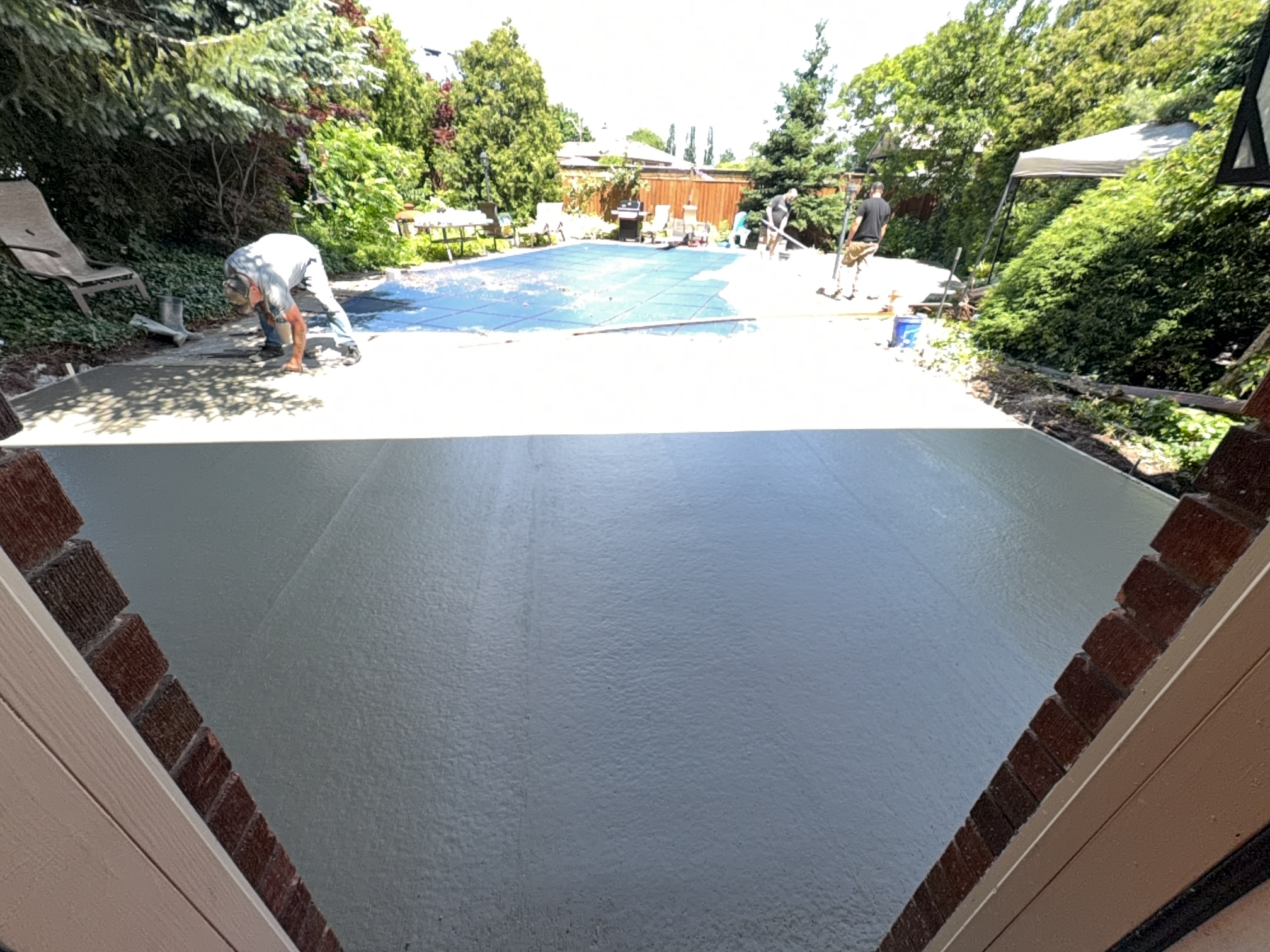
Concrete bags are a typical choice, but they have their limitations. Understanding these can help you decide when to use them or look for alternatives.
Cost and Labor Implications
Concrete bags might seem like a cost-effective option at first. You can buy them at local hardware stores, and they are easy to transport for small jobs. But the real cost comes in labor and time. Mixing bagged concrete manually is labor-intensive. It requires a lot of effort, especially if your project needs many bags. You also need to account for the time it takes to mix each batch, which can slow down your project considerably.
Moreover, buying more bags than necessary leads to waste. Once opened, leftover concrete bags are hard to store and often end up wasted. In the end, although concrete bags might save you some upfront money, the labor and waste can increase the overall cost.
Understanding Bagged Concrete Limitations
Using bagged concrete limits the size of your project. Each bag covers a small area, usually one cubic foot, so for larger projects, you’ll need many bags. This can become inefficient quickly. Additionally, bagged concrete lacks customization. You’re stuck with the mix that comes in the bag, and you cannot adjust it for specific project needs like strength or finish.
Another limitation is the inconsistency between batches. Each mix might be slightly different, leading to uneven curing and strength. This can affect the longevity and appearance of your finished project.
When to Choose Concrete Bags
Concrete bags are best suited for very small projects. If you’re setting a few fence posts or fixing small cracks, bags can be convenient. They are also good for quick repairs when time is of the essence, and precision isn’t critical. For larger projects, though, the limitations quickly outweigh the benefits.
On-Site Mixed Concrete Advantages
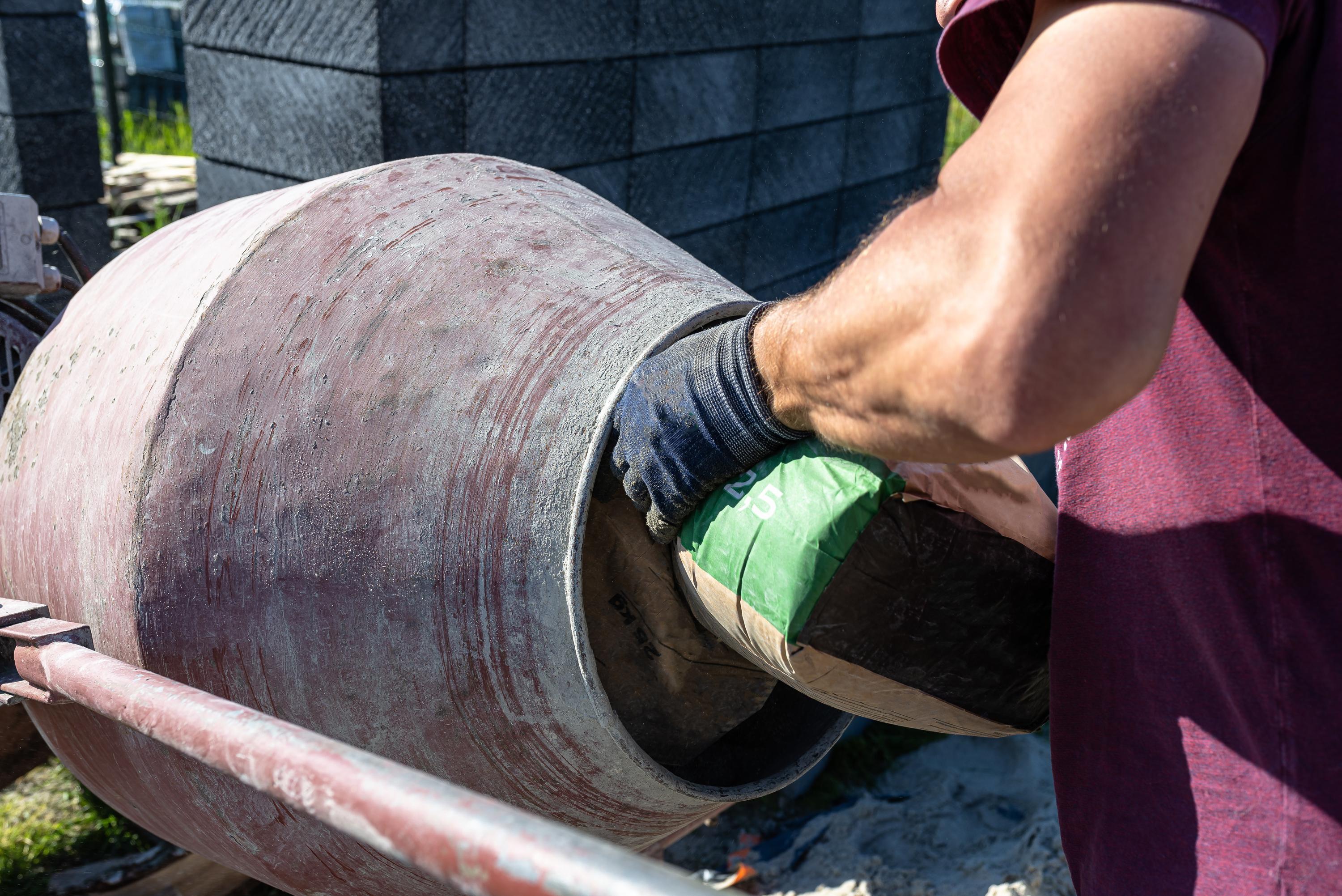
On-site mixed concrete offers solutions to many of the problems faced with bagged concrete, providing flexibility and efficiency.
Customization and Flexibility
One of the biggest advantages of on-site mixed concrete is customization. You can adjust the mix to meet specific project requirements, ensuring you get the right strength and texture. Whether you’re working on a patio or a driveway, you can tailor the mix to suit your needs. This flexibility means you’re not stuck with one-size-fits-all solutions.
Furthermore, if your project conditions change, you can easily modify the mix on-site. This adaptability can save you both time and money, as you won’t have to start over if things don’t go as planned.
Only Pay for What You Pour
On-site mixed concrete is measured and mixed right at your location, so you only pay for what you pour. This eliminates the risk of over-ordering and reduces waste significantly. You won’t have leftover bags of concrete taking up space or going stale. You can also avoid the hassle of returning unused materials.
This pay-for-use model is not only cost-effective but also environmentally friendly, reducing waste and minimizing the impact on the environment. It’s a win-win for both your wallet and the planet.
Efficient Small-Load Deliveries
On-site mixed concrete is ideal for small-load deliveries. Traditional ready-mix solutions often have minimum order requirements, which aren’t suitable for smaller projects. With on-site mixing, you can order the exact amount you need, whether it’s for a small patio or a utility cut.
The delivery is also more efficient. You don’t have to worry about the concrete setting during transport, as it’s mixed on-site. This ensures the concrete is fresh and ready to pour right when you need it, avoiding delays and ensuring a smooth workflow.
Making the Right Choice

Choosing between concrete bags and on-site mixed concrete depends on your project needs. Here’s how to make an informed decision.
Using a Concrete Calculator
A concrete calculator can be an invaluable tool in planning your project. It helps you determine how much concrete you need, reducing the risk of over- or under-ordering. By inputting the dimensions of your project, you can get an accurate estimate of the volume of concrete required.
Using a calculator can save you money and time, ensuring you’re prepared and have the right amount of material for the job. It’s a simple step that can make a big difference in project efficiency.
Requesting Fast, Accurate Quotes
Getting an accurate quote is crucial when deciding between concrete options. Reach out to suppliers and request detailed quotes that include all costs. This way, you can compare prices and services to find the best deal for your project.
Accurate quotes also help you budget effectively, giving you a clear idea of the total cost upfront. This transparency allows for better project planning and reduces the likelihood of unexpected expenses.
Aggregate Totes and Stone Slinger Benefits
For projects involving aggregates, consider using aggregate totes. These are easy to transport and store, keeping your worksite clean and organized. They’re perfect for small-scale projects where full truckloads of aggregates would be excessive.
Stone slingers can also enhance your project efficiency. They deliver and place stone quickly and accurately, reducing labor and time. With these tools, you can focus on the main task without worrying about moving materials manually.
Frequently Asked Questions
How do I determine how many bags of concrete I need?
To determine how many bags of concrete you need, calculate the volume of the area you’re filling. Then, check the coverage details on the concrete bag to see how much one bag covers. Divide your total volume by the coverage per bag to find out how many bags you’ll need.
What are the benefits of on-site mixed concrete?
On-site mixed concrete offers customization, ensuring you get the right mix for your project. You only pay for what you pour, reducing waste and cost. It’s also convenient for small-load deliveries, providing fresh concrete mixed at your location.
Why should I use a concrete calculator?
A concrete calculator helps you accurately determine the amount of concrete needed for your project. This prevents over-ordering or under-ordering, saving you money and ensuring efficient use of resources.
What is a stone slinger?
A stone slinger is a machine that delivers and places stone quickly and accurately. It’s useful for projects requiring precise stone placement, reducing labor and time involved in moving stone manually.
How can I reduce waste when using concrete?
To reduce waste, use on-site mixed concrete, which ensures you only pay for what you pour. Additionally, a concrete calculator can help you order the exact amount needed for your project, minimizing leftover material.